“Off-grid solar system inverter wiring setup
At the heart of an off-grid solar system is the inverter, which plays a crucial role in converting DC power from solar panels into AC power that can be used to power homes, businesses, and other applications. In this article, we will delve into the details of off-grid solar system inverter wiring setup, highlighting the key components, wiring configurations, and best practices for a safe and efficient installation.
Introduction to Off-Grid Solar Systems
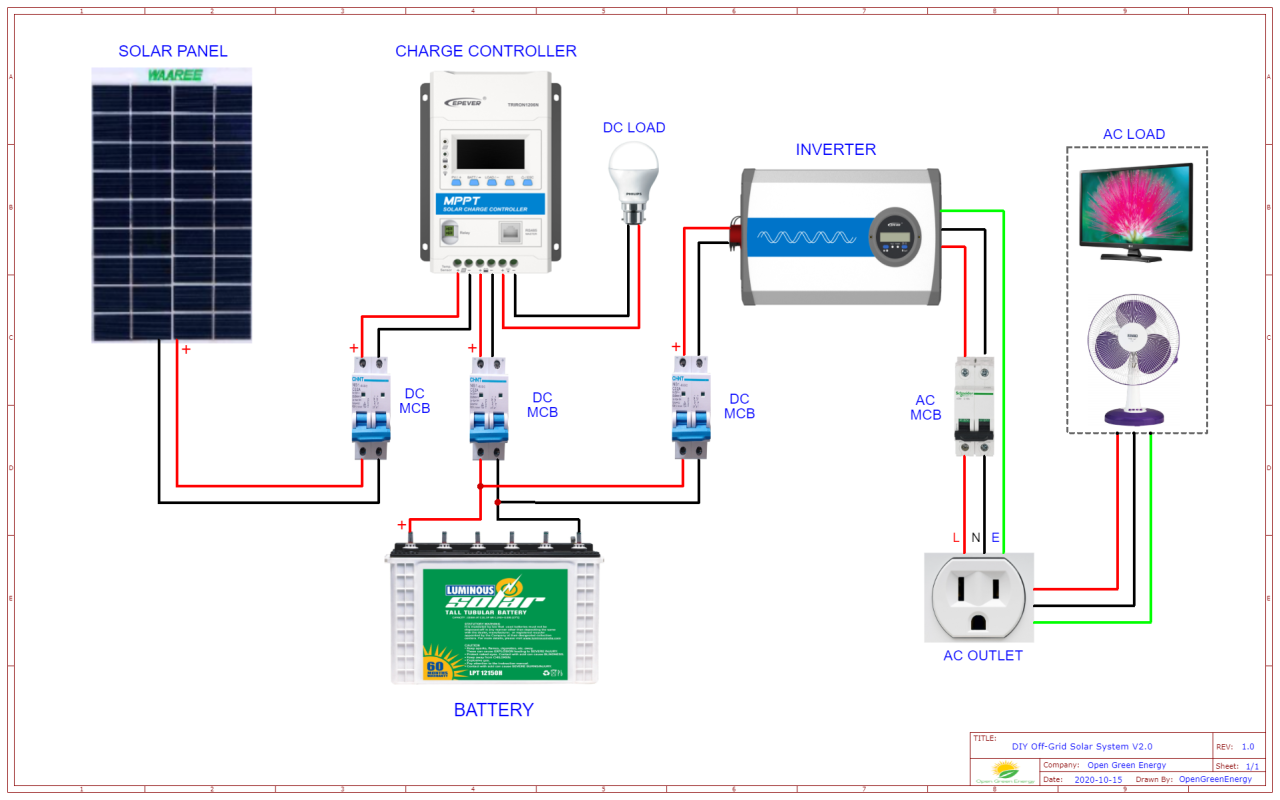
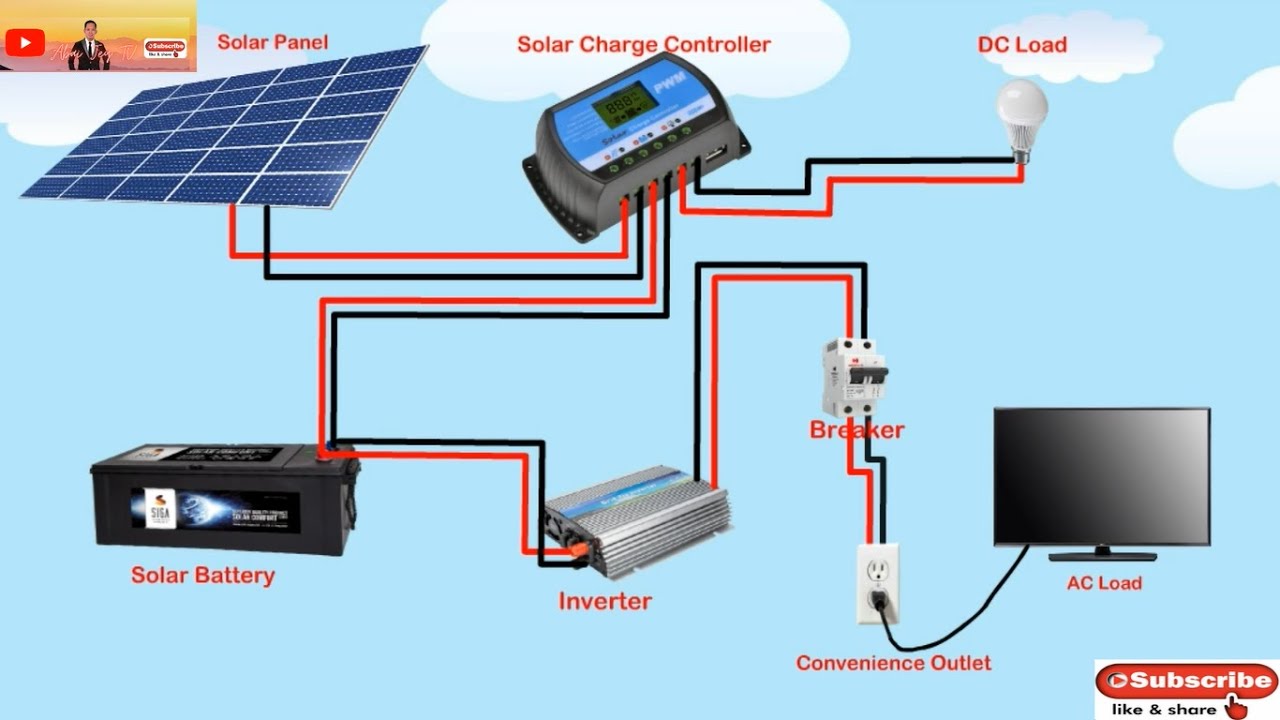
An off-grid solar system is a self-contained power generation and storage system that operates independently of the grid. It typically consists of solar panels, a battery bank, an inverter/charger, and a load center. The solar panels generate DC power, which is stored in the battery bank during the day. The inverter/charger converts the DC power from the solar panels and battery bank into AC power, which is then used to power the load.
Inverter Types and Selection
There are several types of inverters available for off-grid solar systems, including:
- String Inverters: These are the most common type of inverter and are used for grid-tie systems. They are not suitable for off-grid systems.
- Micro-Inverters: These are small inverters that are installed at each solar panel, and are suitable for off-grid systems with multiple solar panels.
- Power Conditioning Inverters: These inverters are designed for off-grid systems and can handle multiple sources of power, including solar, wind, and hydro.
- Multi-Mode Inverters: These inverters can operate in both off-grid and grid-tie modes, making them suitable for systems that need to switch between grid and off-grid operation.
When selecting an inverter for an off-grid solar system, consider the following factors:
- Power Rating: Choose an inverter that can handle the total power output of your solar array.
- Efficiency: Look for an inverter with high efficiency to minimize energy losses.
- Compatibility: Ensure the inverter is compatible with your solar panel array and battery bank.
- Safety Features: Opt for an inverter with built-in safety features, such as overcharge protection and short-circuit protection.

Wiring Configurations
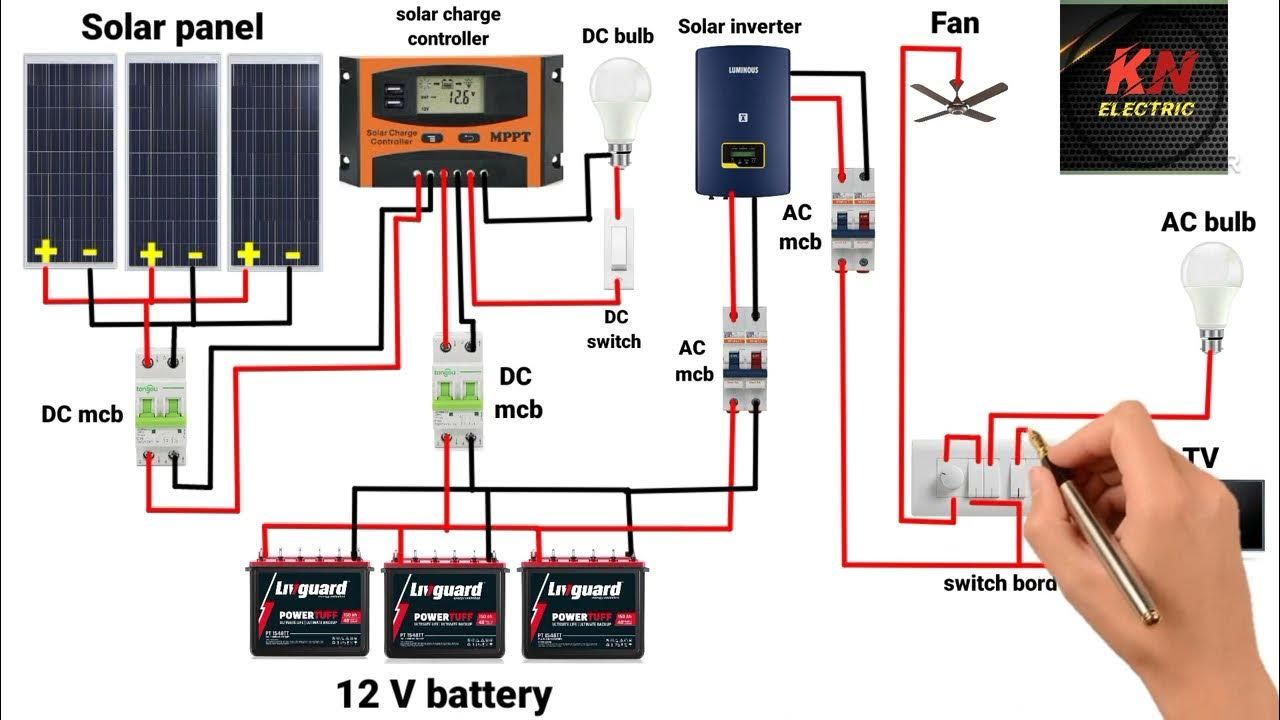
The wiring configuration of an off-grid solar system inverter setup depends on the specific components and system design. Here are some common wiring configurations:
- Solar Panel Array Wiring: Solar panels are typically wired in series and/or parallel to achieve the desired voltage and current output. The positive terminal of each panel is connected to the positive terminal of the next panel, and the negative terminal is connected to the negative terminal of the next panel.
- Inverter Input Wiring: The solar panel array is connected to the inverter input terminals. The positive terminal of the solar panel array is connected to the positive input terminal of the inverter, and the negative terminal is connected to the negative input terminal.
- Battery Bank Wiring: The battery bank is connected to the inverter output terminals. The positive terminal of the battery bank is connected to the positive output terminal of the inverter, and the negative terminal is connected to the negative output terminal.
- Load Center Wiring: The load center is connected to the inverter output terminals. The positive terminal of the load center is connected to the positive output terminal of the inverter, and the negative terminal is connected to the negative output terminal.
Wiring Best Practices
To ensure a safe and efficient off-grid solar system inverter wiring setup, follow these best practices:
- Use Proper Wire Sizing: Use wire sizes that can handle the maximum current output of your solar array and inverter.
- Use Proper Wire Insulation: Use wire insulation that can withstand the maximum voltage and temperature ratings of your system.
- Keep Wiring Organized: Keep wiring organized and secure to prevent damage and reduce the risk of electrical shock.
- Use Grounding and Bonding: Use grounding and bonding to ensure that all metal components are at the same electrical potential, reducing the risk of electrical shock.
- Follow Manufacturer Instructions: Follow the manufacturer instructions for your inverter and other system components to ensure proper wiring and installation.
Safety Considerations
Off-grid solar system inverter wiring setup requires careful consideration of safety factors to prevent electrical shock, fire, and other hazards. Here are some safety considerations:
- Electrical Shock: Ensure that all wiring and components are properly insulated and grounded to prevent electrical shock.
- Overcharge Protection: Ensure that your inverter has built-in overcharge protection to prevent damage to your battery bank.
- Short-Circuit Protection: Ensure that your inverter has built-in short-circuit protection to prevent damage to your system components.
- Fire Risk: Ensure that your system is designed and installed to minimize the risk of fire, including the use of fire-resistant materials and proper ventilation.
- Regular Maintenance: Regularly inspect and maintain your system to ensure that it is operating safely and efficiently.
Conclusion
Off-grid solar system inverter wiring setup requires careful consideration of system design, component selection, and wiring configurations. By following the guidelines and best practices outlined in this article, you can ensure a safe and efficient installation that meets your energy needs. Remember to always follow manufacturer instructions and consult with a qualified professional if you are unsure about any aspect of the installation. With proper planning and installation, an off-grid solar system can provide reliable and renewable energy for years to come.
Additional Resources
For more information on off-grid solar system inverter wiring setup, consult the following resources:
- National Electric Code (NEC): The NEC provides guidelines for electrical wiring and installation, including off-grid solar systems.
- Inverter Manufacturer Instructions: Consult the manufacturer instructions for your inverter and other system components to ensure proper wiring and installation.
- Off-Grid Solar System Design Guides: Consult design guides and tutorials specific to off-grid solar systems to ensure that your system is properly designed and installed.
- Professional Installation Services: Consider hiring a qualified professional to design and install your off-grid solar system to ensure a safe and efficient installation.

Leave a Reply