
“How to wire an off-grid solar power system
These systems allow homeowners and businesses to generate their own electricity using solar panels, providing a sustainable and energy-independent solution. However, wiring an off-grid solar power system can be a complex and daunting task, requiring careful planning and execution. In this article, we will guide you through the process of wiring an off-grid solar power system, providing you with the knowledge and confidence to tackle this project.
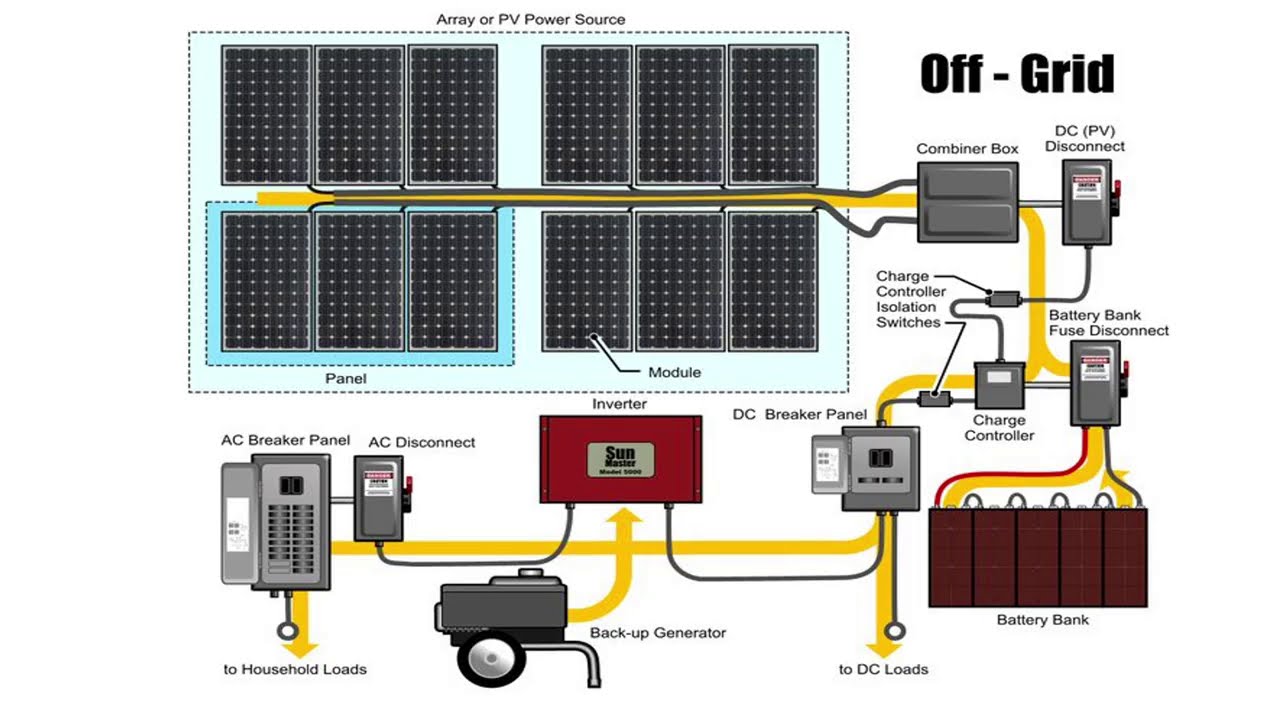
Understanding the Components of an Off-Grid Solar Power System
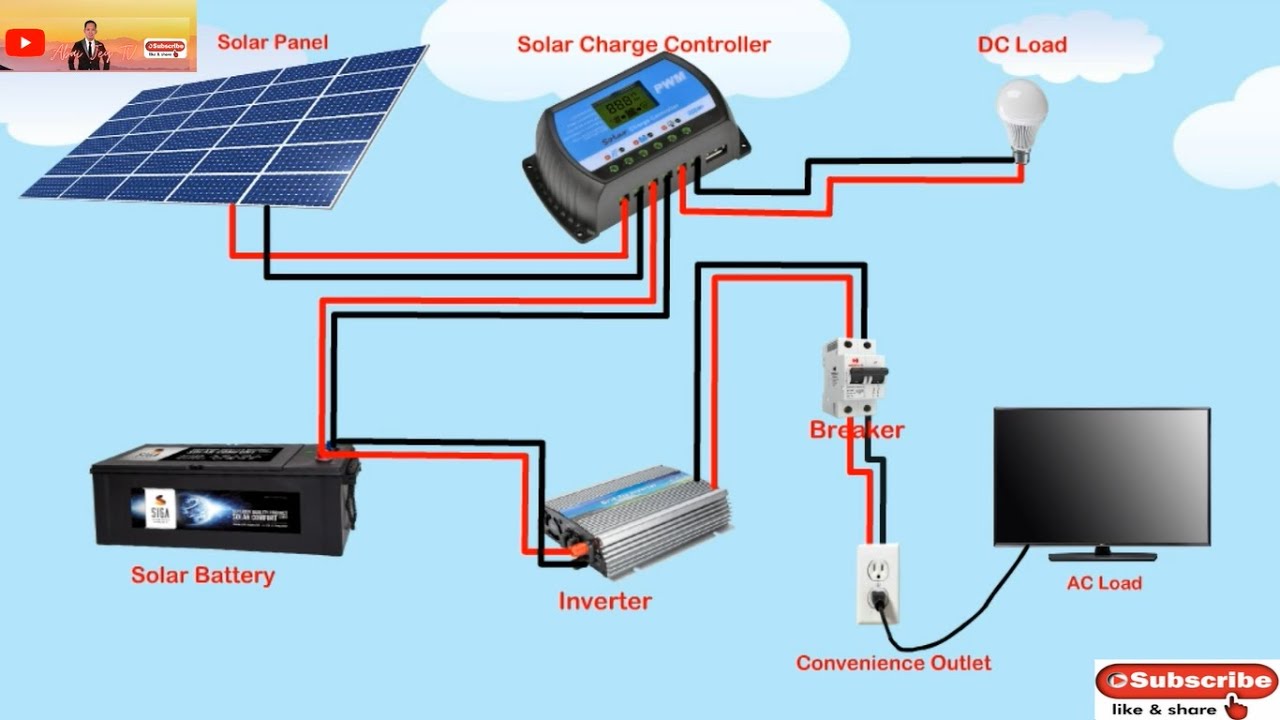
Before we dive into the wiring process, it’s essential to understand the components that make up an off-grid solar power system. These include:
- Solar Panels: These are the photovoltaic (PV) panels that convert sunlight into electrical energy.
- Charge Controller: This component regulates the flow of energy from the solar panels to the battery bank, preventing overcharging and ensuring the batteries are charged efficiently.
- Battery Bank: This is the storage system that holds the excess energy generated by the solar panels during the day for use at night or during periods of low sunlight.
- Inverter: This device converts the DC (direct current) energy stored in the battery bank into AC (alternating current) energy, which is usable in homes and businesses.
- Distribution Panel: This is the central hub that distributes the AC energy to various circuits and loads in the system.
Planning and Designing the System
Before starting the wiring process, it’s crucial to plan and design the system carefully. This involves:
- Assessing Energy Needs: Calculate the total energy requirements of your home or business, including the appliances and devices you plan to power.
- Determining Solar Panel Requirements: Based on your energy needs, determine the number and type of solar panels required to generate sufficient energy.
- Selecting a Charge Controller and Inverter: Choose a charge controller and inverter that are compatible with your solar panel array and battery bank.
- Designing the Battery Bank: Determine the type and size of the battery bank required to store excess energy generated by the solar panels.
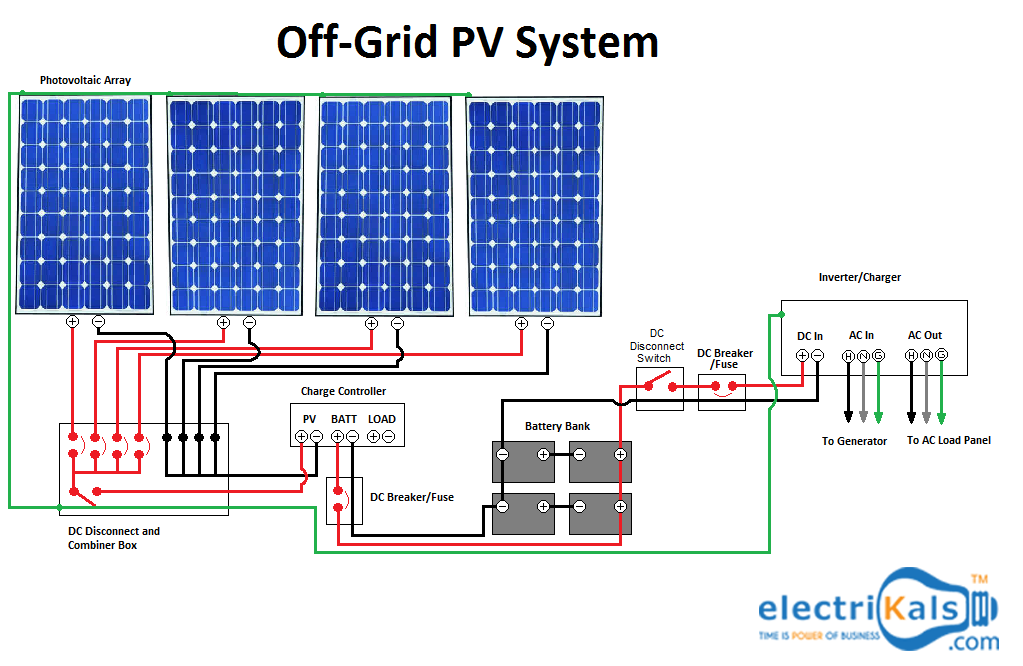
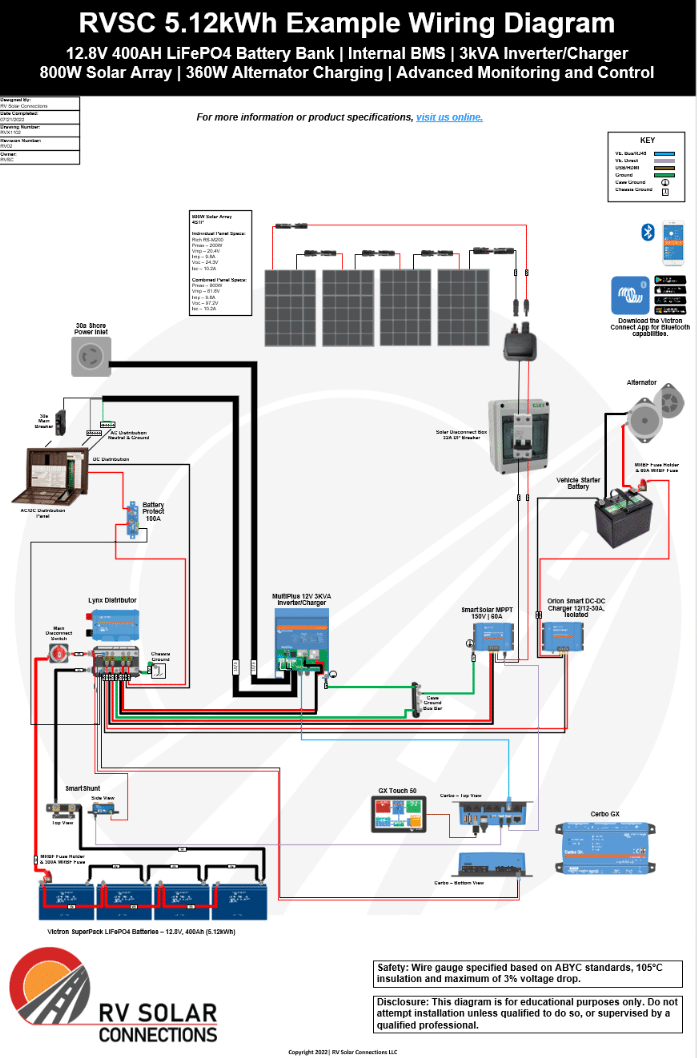
- Creating a Wiring Diagram: Create a detailed wiring diagram that outlines the connections between the various components of the system.
Wiring the System
With your system design and plan in place, it’s time to start wiring the system. Here’s a step-by-step guide:
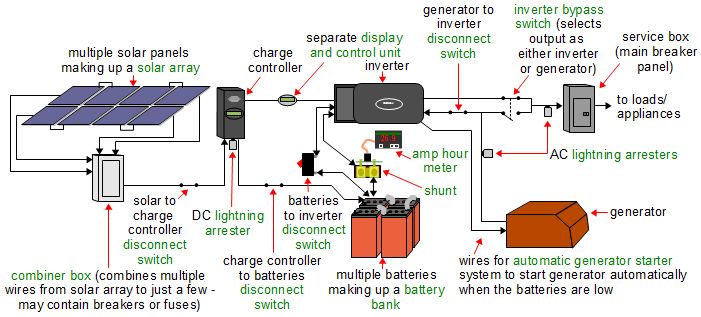
- Connecting the Solar Panels: Connect the solar panels in series or parallel, depending on the system design, to create a solar panel array.
- Connecting the Charge Controller: Connect the charge controller to the solar panel array, ensuring that the positive and negative terminals are correctly matched.
- Connecting the Battery Bank: Connect the battery bank to the charge controller, ensuring that the positive and negative terminals are correctly matched.
- Connecting the Inverter: Connect the inverter to the battery bank, ensuring that the positive and negative terminals are correctly matched.
- Connecting the Distribution Panel: Connect the distribution panel to the inverter, ensuring that the AC energy is distributed to the various circuits and loads in the system.
- Grounding the System: Ground the system to ensure safety and prevent electrical shock.
- Testing the System: Test the system to ensure that it’s functioning correctly and efficiently.
Safety Considerations
When wiring an off-grid solar power system, safety is paramount. Here are some safety considerations to keep in mind:
- Use Proper Wiring and Connectors: Use high-quality wiring and connectors to prevent electrical shock and fires.
- Follow Manufacturer Instructions: Follow the manufacturer’s instructions for each component, including the solar panels, charge controller, inverter, and battery bank.
- Use Personal Protective Equipment: Use personal protective equipment, such as gloves and safety glasses, when working with electrical systems.
- Ensure Proper Grounding: Ensure that the system is properly grounded to prevent electrical shock.
- Regular Maintenance: Regularly maintain the system to prevent wear and tear, and to ensure that it’s functioning efficiently.
Best Practices for Wiring an Off-Grid Solar Power System
Here are some best practices to keep in mind when wiring an off-grid solar power system:
- Use a Clean and Organized Wiring Method: Use a clean and organized wiring method to prevent mistakes and ensure ease of maintenance.
- Label Wires and Components: Label wires and components to ensure that they can be easily identified.
- Use Fuses and Circuit Breakers: Use fuses and circuit breakers to protect the system from overloads and electrical shock.
- Monitor System Performance: Monitor system performance to ensure that it’s functioning efficiently and to identify any potential issues.
- Consult a Professional: Consult a professional if you’re unsure about any aspect of the wiring process.
Conclusion
Wiring an off-grid solar power system requires careful planning, attention to detail, and a thorough understanding of the components and safety considerations involved. By following the steps outlined in this article, you can create a safe and efficient off-grid solar power system that meets your energy needs. Remember to always follow best practices, consult a professional if necessary, and regularly maintain the system to ensure optimal performance. With the right knowledge and expertise, you can enjoy the benefits of renewable energy and reduce your reliance on the grid.
Additional Resources
For those looking to learn more about off-grid solar power systems, here are some additional resources:
- National Renewable Energy Laboratory (NREL): Provides information and resources on renewable energy, including off-grid solar power systems.
- Solar Energy Industries Association (SEIA): Offers guidance and resources on solar energy, including off-grid solar power systems.
- International Association of Electrical Inspectors (IAEI): Provides information and resources on electrical safety and inspection, including off-grid solar power systems.
- Local Building Codes and Regulations: Familiarize yourself with local building codes and regulations regarding off-grid solar power systems.
By following the guidelines and best practices outlined in this article, you can create a safe and efficient off-grid solar power system that meets your energy needs and reduces your reliance on the grid.
Leave a Reply