“MPPT solar controller connection wiring for battery banks
One of the most critical components of a solar power system is the Maximum Power Point Tracking (MPPT) solar controller, which plays a vital role in optimizing energy efficiency and prolonging the lifespan of the battery bank. In this article, we will delve into the world of MPPT solar controller connection wiring for battery banks, exploring the best practices, common mistakes, and safety considerations.

Introduction to MPPT Solar Controllers
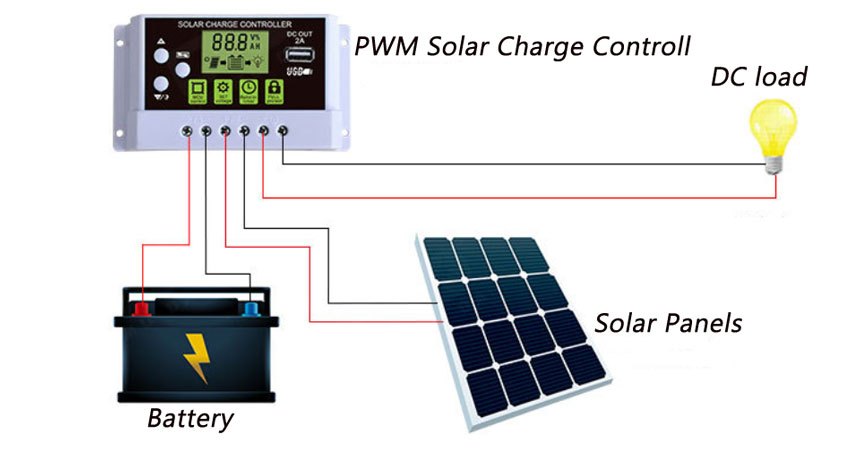
MPPT solar controllers are designed to regulate the flow of energy from the solar panels to the battery bank, ensuring that the batteries are charged efficiently and safely. These controllers use advanced algorithms to track the maximum power point (MPP) of the solar panels, adjusting the charging current and voltage to match the optimal operating point. By doing so, MPPT solar controllers can increase the overall efficiency of the solar power system by up to 30%, compared to traditional pulse-width modulation (PWM) controllers.
Understanding Battery Banks
Before we dive into the connection wiring, it’s essential to understand the basics of battery banks. A battery bank is a collection of batteries connected in series and/or parallel to provide a specific voltage and capacity. The most common types of battery banks used in solar power systems are:
- Series-connected battery banks: In this configuration, batteries are connected in series to increase the total voltage of the bank.
- Parallel-connected battery banks: In this configuration, batteries are connected in parallel to increase the total capacity of the bank.
- Series-parallel-connected battery banks: This configuration combines both series and parallel connections to achieve a higher voltage and capacity.
MPPT Solar Controller Connection Wiring

Now that we have a solid understanding of MPPT solar controllers and battery banks, let’s explore the connection wiring process. The following steps and guidelines should be followed to ensure a safe and efficient connection:
- Determine the system configuration: Before connecting the MPPT solar controller, determine the system configuration, including the type of battery bank, solar panel array, and load requirements.
- Choose the correct MPPT solar controller: Select an MPPT solar controller that matches the system requirements, taking into account the maximum power point voltage and current of the solar panels, as well as the voltage and capacity of the battery bank.
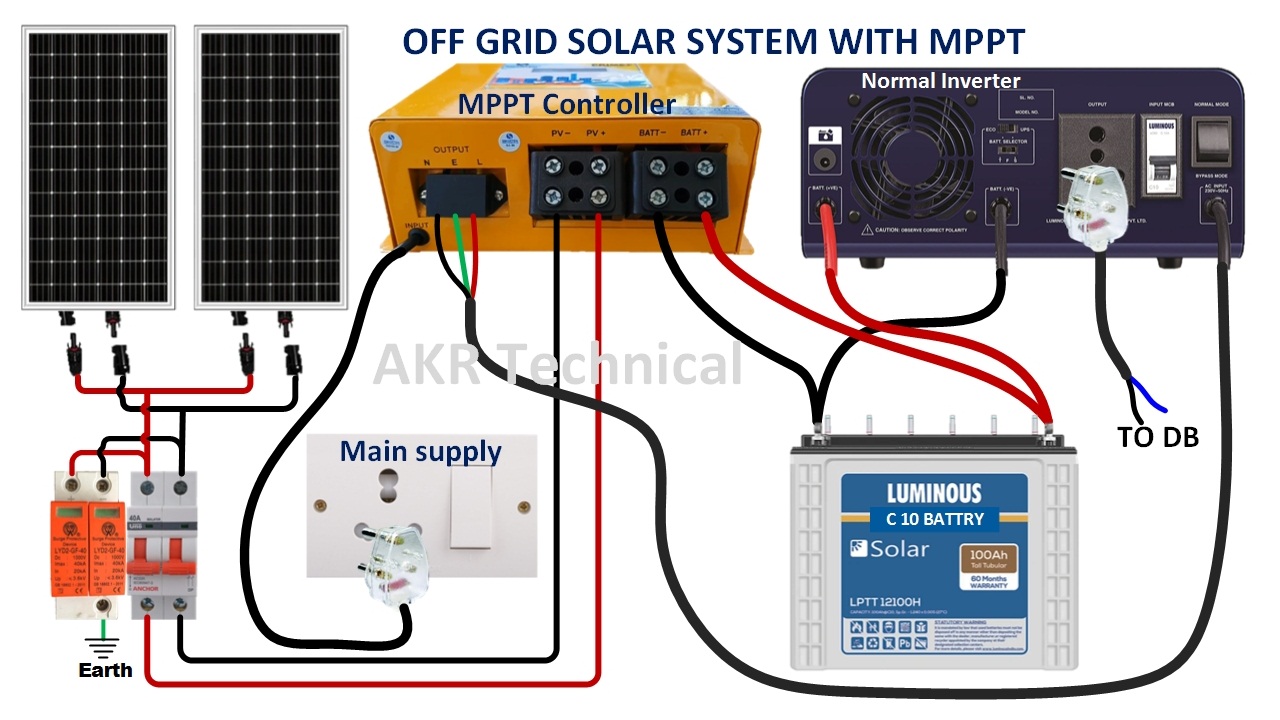
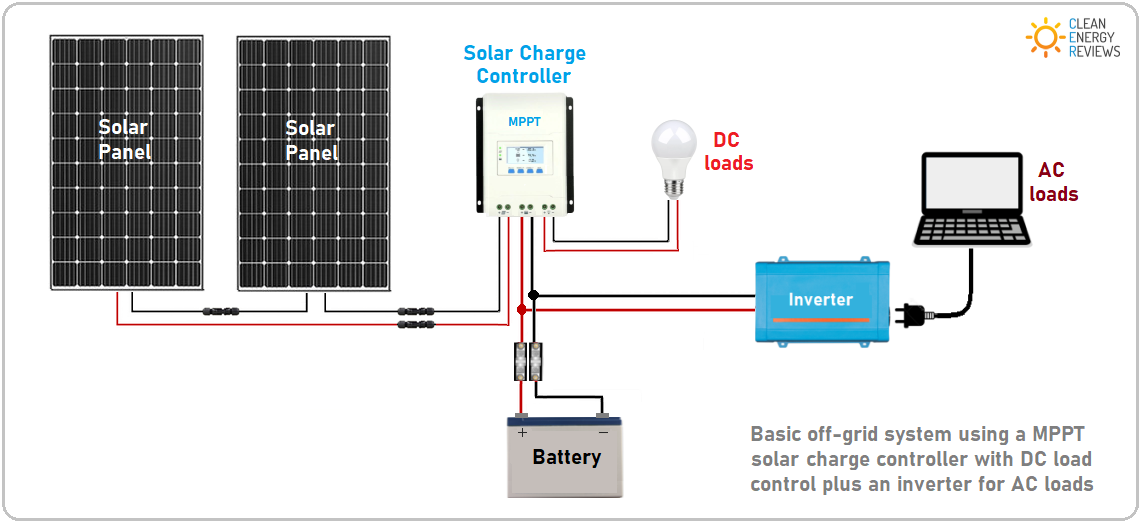
- Connect the solar panels: Connect the solar panels to the MPPT solar controller, ensuring that the positive and negative terminals are correctly matched. The solar panels should be connected in series and/or parallel to achieve the desired voltage and current.
- Connect the battery bank: Connect the battery bank to the MPPT solar controller, ensuring that the positive and negative terminals are correctly matched. The battery bank should be connected in series and/or parallel to achieve the desired voltage and capacity.
- Connect the load: Connect the load (e.g., inverter, DC-DC converter, or lighting system) to the battery bank, ensuring that the positive and negative terminals are correctly matched.
- Configure the MPPT solar controller: Configure the MPPT solar controller according to the system requirements, setting the charge voltage, charge current, and other parameters as needed.
- Test the system: Test the system to ensure that it is functioning correctly, monitoring the voltage, current, and temperature of the solar panels, battery bank, and load.
Best Practices and Safety Considerations
When connecting an MPPT solar controller to a battery bank, it’s essential to follow best practices and safety considerations to avoid damage to the equipment, injury, or even fire. Some key considerations include:
- Use proper wiring and connections: Use high-quality wiring and connections to ensure that the system is safe and efficient. Avoid using damaged or corroded wiring, and ensure that all connections are secure and well-insulated.
- Follow manufacturer instructions: Follow the manufacturer instructions for the MPPT solar controller, solar panels, and battery bank to ensure that the system is configured correctly.
- Use protective devices: Use protective devices such as fuses, circuit breakers, and surge protectors to prevent damage to the equipment and ensure safe operation.
- Monitor system performance: Monitor system performance regularly, checking the voltage, current, and temperature of the solar panels, battery bank, and load to ensure that the system is operating efficiently and safely.
- Perform regular maintenance: Perform regular maintenance on the system, including cleaning the solar panels, checking the battery bank, and inspecting the wiring and connections.
Common Mistakes and Troubleshooting
When connecting an MPPT solar controller to a battery bank, some common mistakes can occur, including:
- Incorrect wiring: Incorrect wiring can lead to damage to the equipment, injury, or even fire. Double-check the wiring and connections to ensure that they are correct.
- Insufficient sizing: Insufficient sizing of the MPPT solar controller or battery bank can lead to reduced system performance and efficiency. Ensure that the system is sized correctly to meet the load requirements.
- Inadequate maintenance: Inadequate maintenance can lead to reduced system performance and efficiency. Regularly inspect and maintain the system to ensure that it is operating safely and efficiently.
- Incorrect configuration: Incorrect configuration of the MPPT solar controller can lead to reduced system performance and efficiency. Ensure that the controller is configured correctly to meet the system requirements.
To troubleshoot common issues, follow these steps:
- Check the wiring and connections: Check the wiring and connections to ensure that they are correct and secure.
- Check the MPPT solar controller settings: Check the MPPT solar controller settings to ensure that they are configured correctly.
- Check the solar panel and battery bank performance: Check the solar panel and battery bank performance to ensure that they are operating efficiently and safely.
- Consult the manufacturer instructions: Consult the manufacturer instructions for the MPPT solar controller, solar panels, and battery bank to ensure that the system is configured correctly.
Conclusion
In conclusion, connecting an MPPT solar controller to a battery bank requires careful consideration of the system configuration, wiring, and safety considerations. By following best practices and safety considerations, you can ensure a safe and efficient connection that optimizes the performance of your solar power system. Remember to regularly monitor system performance, perform maintenance, and troubleshoot common issues to ensure that your system operates at its best. With the right knowledge and expertise, you can harness the power of the sun to provide a reliable and sustainable source of energy for your home, business, or off-grid application.
Leave a Reply