“How to connect an inverter to an off-grid solar panel system
At the heart of these systems lies the inverter, a crucial component that converts DC power from the solar panels into usable AC power for homes, businesses, and other applications. In this article, we will delve into the world of off-grid solar panel systems and provide a step-by-step guide on how to connect an inverter to ensure a safe, efficient, and reliable energy supply.

Introduction to Off-Grid Solar Panel Systems
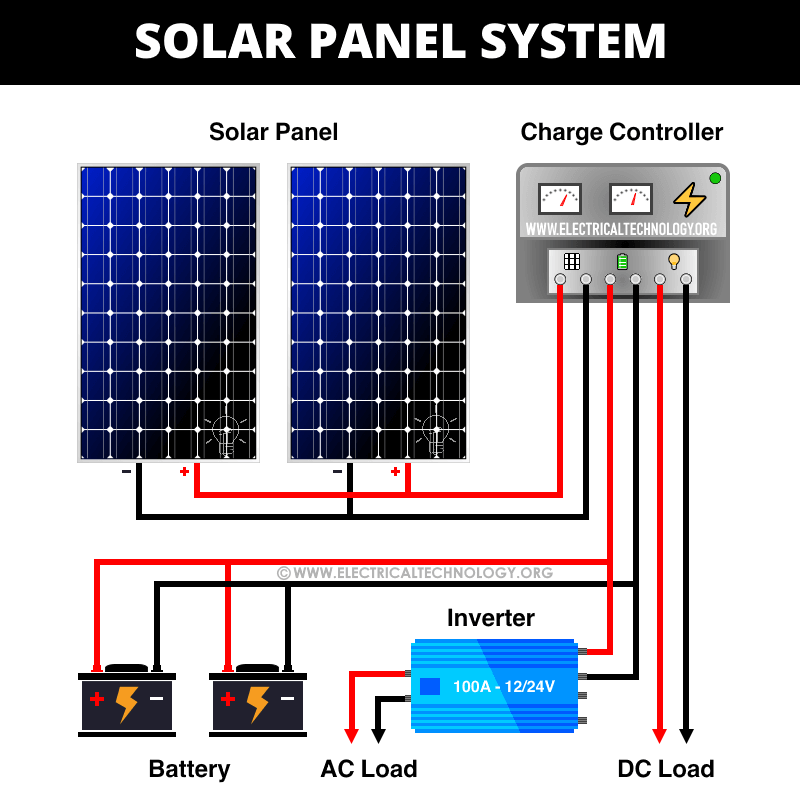
An off-grid solar panel system, also known as a standalone or autonomous photovoltaic (PV) system, is designed to generate electricity without connecting to the grid. These systems typically consist of solar panels, a charge controller, a battery bank, and an inverter. The solar panels produce direct current (DC) electricity, which is then stored in the battery bank through the charge controller. The inverter converts the stored DC power into alternating current (AC) electricity, making it usable for various applications.
Understanding the Role of an Inverter in an Off-Grid System
The inverter is a critical component in an off-grid solar panel system, playing a multifaceted role in ensuring the efficient and safe operation of the system. Some of the key functions of an inverter include:
- DC-to-AC Conversion: The primary function of an inverter is to convert DC power from the solar panels and battery bank into AC power, which is usable for various applications.
- Voltage Regulation: The inverter regulates the output voltage to ensure it remains within a safe and acceptable range for connected appliances.
- Frequency Regulation: The inverter also regulates the output frequency, typically set to 50 or 60 Hz, to match the frequency of the connected appliances.
- Maximum Power Point Tracking (MPPT): Some inverters have built-in MPPT capabilities, which optimize energy harvesting from the solar panels by tracking the maximum power point.
- Monitoring and Control: Many modern inverters come with monitoring and control capabilities, allowing users to track system performance, receive alerts, and adjust settings remotely.

Choosing the Right Inverter for Your Off-Grid System
Selecting the right inverter for your off-grid solar panel system is crucial to ensure efficient, reliable, and safe operation. When choosing an inverter, consider the following factors:
- Power Rating: The inverter’s power rating should match the total power output of the solar panel system.
- Efficiency: Look for an inverter with high efficiency (typically above 90%) to minimize energy losses.
- Waveform: Choose an inverter with a pure sine wave output to ensure compatibility with sensitive appliances.
- Certifications: Ensure the inverter meets relevant safety and performance standards, such as UL (Underwriters Laboratories) or CE (Conformité Européene) certifications.
- Compatibility: Verify the inverter is compatible with your solar panel system’s configuration and battery type.


Step-by-Step Guide to Connecting an Inverter to an Off-Grid Solar Panel System
Now that we have covered the basics, let’s dive into the step-by-step process of connecting an inverter to an off-grid solar panel system:
Step 1: Prepare the System Components
Before connecting the inverter, ensure all system components are in place and properly configured, including:
- Solar panels
- Charge controller
- Battery bank
- Mounting and cabling hardware
Step 2: Connect the Battery Bank to the Inverter
Connect the positive and negative terminals of the battery bank to the corresponding terminals on the inverter. Ensure the battery bank is fully charged before proceeding.
Step 3: Connect the Solar Panels to the Charge Controller
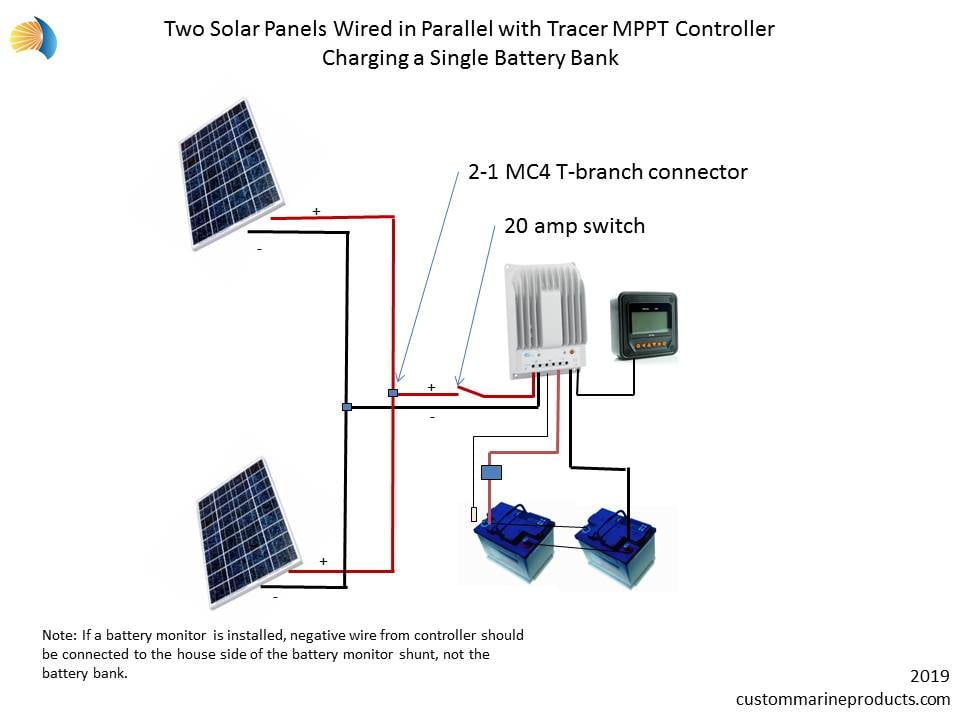
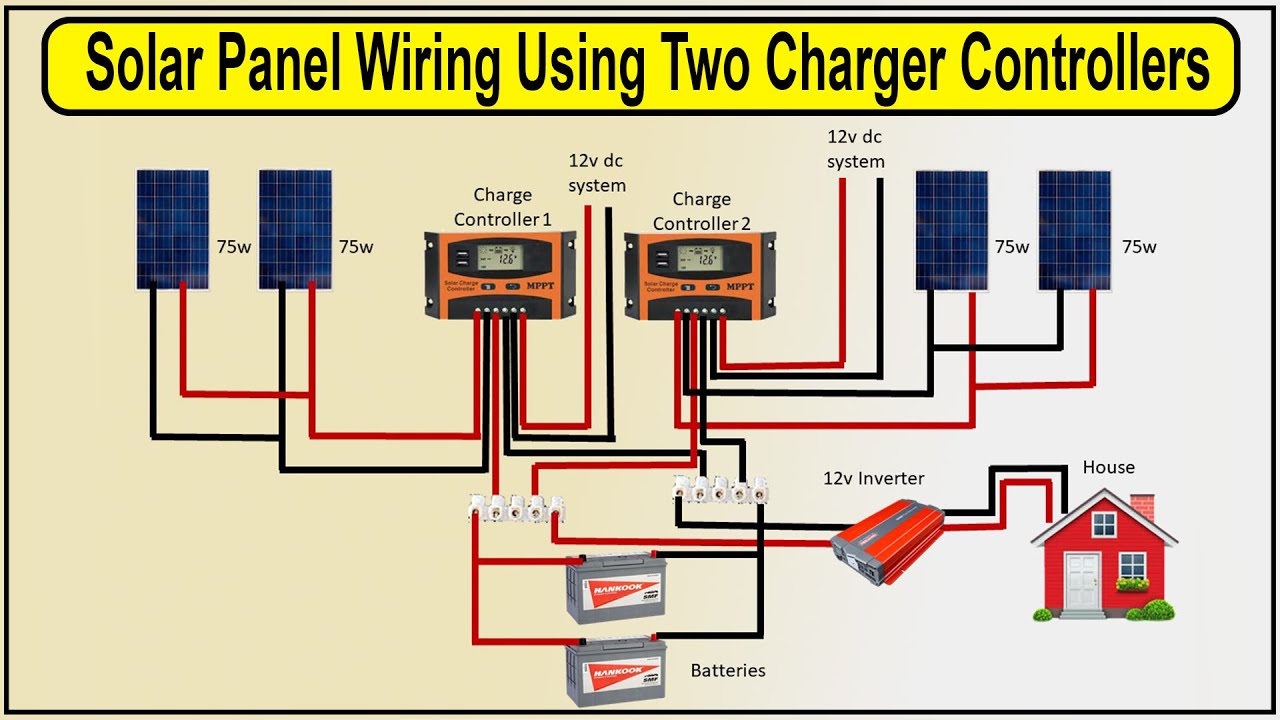
Connect the solar panels to the charge controller, following the manufacturer’s instructions. Typically, this involves connecting the positive and negative wires from the solar panels to the charge controller’s input terminals.
Step 4: Connect the Charge Controller to the Battery Bank
Connect the output terminals of the charge controller to the battery bank, ensuring the positive and negative wires are correctly matched.
Step 5: Connect the Inverter to the Load
Connect the inverter’s output terminals to the load, such as a circuit breaker or a fuse box. Ensure the load is compatible with the inverter’s output voltage and frequency.
Step 6: Configure the Inverter Settings
Configure the inverter settings according to the manufacturer’s instructions, including:
- Setting the input voltage and frequency
- Configuring the charging and discharging parameters
- Enabling any monitoring and control features
Step 7: Test the System
Once all connections are complete, test the system to ensure it is functioning correctly. Monitor the inverter’s display, if available, to verify the system is producing the expected output voltage and frequency.
Safety Considerations
When working with electrical systems, safety is paramount. Always follow these guidelines to minimize risks:
- Ensure the system is properly grounded to prevent electrical shock.
- Use protective gear, such as gloves and safety glasses, when working with electrical components.
- Follow the manufacturer’s instructions for connecting and configuring the inverter and other system components.
- Regularly inspect the system for signs of wear, damage, or malfunction.
Conclusion
Connecting an inverter to an off-grid solar panel system requires careful planning, attention to detail, and a thorough understanding of the system’s components and functionality. By following the steps outlined in this guide and considering the factors mentioned, you can ensure a safe, efficient, and reliable energy supply for your off-grid solar panel system. Remember to always follow safety guidelines and manufacturer instructions when working with electrical systems, and don’t hesitate to consult a professional if you are unsure about any aspect of the process. With the right inverter and proper connections, you can harness the power of the sun and enjoy energy independence with your off-grid solar panel system.